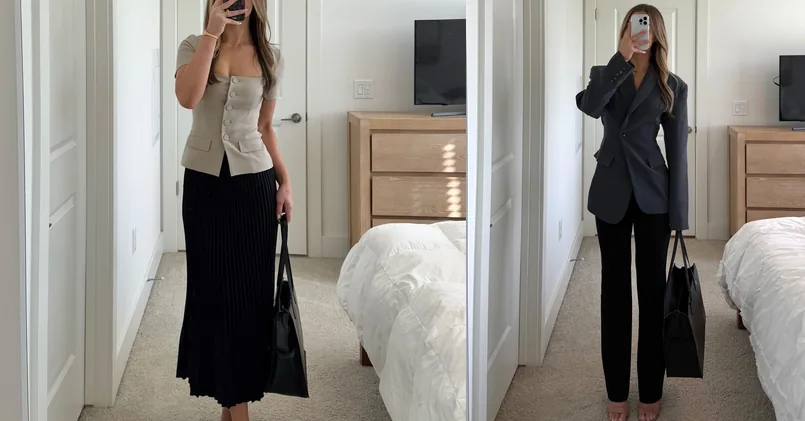
Hiring rooms clock the clothes first, which is where a corporate interview outfit actually earns its keep. Before you say a word, the outfit has communicated competence, attention to detail, cultural fit, and how seriously you take the opportunity. The wrong outfit does not cost you the job on its own, but it creates a deficit that your answers have to overcome. The right outfit creates a baseline of credibility that your answers build on.
Interview outfit strategy changes at every level, from entry-level roles to senior positions. Early-career interviews reward looking polished and prepared. Mid-career interviews reward looking current and confident. Senior-level interviews reward looking like you already belong in the room. Here is how each tier works and what to wear across industries.
Conservative Industry Interviews
Finance, law, consulting, and corporate banking still expect traditional professional dress at interviews. The outfit should be the most conservative version of your personal style: structured, neutral-toned, and impeccably fitted. These industries evaluate your ability to represent the firm to clients, which starts with how you present yourself.
Navy Blazer With Tailored Trousers and Pumps
Image: Pinterest
A navy blazer with tailored trousers in a matching or complementary color and closed-toe pumps. Navy is the interview color that looks the most trustworthy because it is authoritative without being aggressive (unlike black, which can look severe in interview lighting). The tailored trouser should sit at the natural waist, taper gently, and hit at the ankle with no break. Closed-toe pumps in nude, black, or navy complete the line. A navy suit is a reliable choice for a finance interview, because it gives the impression of “ready” before anyone sits down. That is the effect the right outfit creates.
Structured Sheath Dress With Blazer
Image: Pinterest
A knee-length sheath dress in a solid neutral (black, navy, charcoal, or camel) with a blazer and closed-toe heels. The sheath dress is the interview piece that looks the most polished because the clean, body-skimming silhouette eliminates visual noise. The blazer adds the structural layer that signals authority. The combination is essentially a suit in dress form. Keep the dress at or just below the knee for conservative industries. Anything shorter shifts the attention from competence to appearance.
Pencil Skirt With Blouse and Structured Jacket
Image: Pinterest
A pencil skirt (knee-length) with a tucked blouse and a structured jacket in coordinating tones. The pencil skirt option provides the most traditionally feminine interview silhouette, which some women prefer because it feels distinct from the suited look that dominates interview dressing. The blouse should be silk or high-quality cotton with a collar or clean neckline. Avoid patterns on the blouse because they compete with the face for attention during a conversation.
Creative Industry Interviews
Creative industries (fashion, media, advertising, design, tech startups) expect interview outfits that demonstrate personal style alongside professionalism. Showing up in a full suit to a creative agency interview signals that you do not understand the culture. The outfit should be polished but personality-forward: one statement piece, excellent fit, and an awareness of current trends.
Statement Blazer Over Simple Base
Image: Pinterest
A statement blazer (colored, textured, or slightly oversized) over a simple base (black tee or turtleneck) with tailored trousers and fashion-forward shoes. The statement blazer communicates: “I understand professional dressing AND I have a point of view.” This is the creative-industry interview formula that balances credibility with personality. The simple base keeps the outfit from being overwhelming. The shoe choice (pointed mules, architectural heels, clean minimalist sneakers at very casual agencies) signals your aesthetic awareness.
Monochrome Outfit With One Distinctive Element
Image: Pinterest
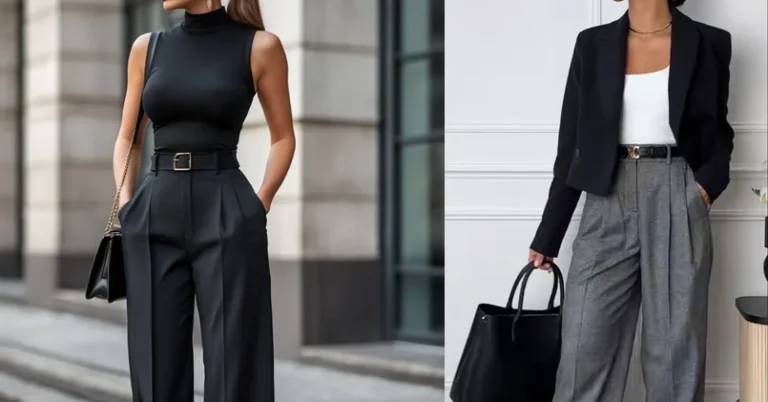
A monochrome outfit (all-black, all-cream, all-navy) with one distinctive accessory or piece that shows creative judgment. The monochrome base looks intentional and confident. The distinctive element (a geometric earring, an interesting bag, a bold shoe) provides the conversation starter and the proof that you think about aesthetics. This is the approach to recommend for design and fashion industry interviews because the restraint of the monochrome demonstrates editing skill, which is what creative roles require.
Smart-Casual With Elevated Details
Image: Pinterest
A polished smart-casual outfit (nice jeans with a blazer, or tailored trousers with a quality knit) with elevated accessories for tech and startup interviews. The tech interview outfit should communicate competence without formality because over-dressing at a startup signals misunderstanding of the culture. Quality fabrics and excellent fit provide the professionalism. The elevated accessories (a leather bag, a good watch, clean shoes) provide the polish. This is the version for companies where the CEO wears sneakers and jeans.
First Day and Onboarding
The first-day outfit follows similar principles to the interview outfit but dials the formality down slightly. You know you got the job. Now the goal is fitting in while making a good impression on the broader team. Dress one notch above the average for the first week, then calibrate to the office norm.
Polished Separates for a Strong First Impression
Image: Pinterest
Tailored trousers with a quality blouse and a structured bag for the first day. The separates approach is more flexible than a suit because you can dress the same pieces down as you learn the office culture. The structured bag signals preparation (you brought everything you need). The blouse signals professionalism without overdoing it. Avoid wearing the exact same outfit you wore to the interview because the people who interviewed you will notice and it creates an impression of a limited wardrobe.
Midi Dress With Cardigan for Approachable Formality
Image: Pinterest
A midi dress in a solid color with a cardigan and comfortable heels for the first week. The dress-and-cardigan combination looks polished but approachable, which is the right energy for meeting new colleagues. The cardigan softens the formality that a blazer would add. The solid color avoids the risk of a pattern that might feel too bold before you know the office culture. This is the first-day outfit for women who want to look professional while signaling that they are friendly and open to connection.
Interview Outfit Mistakes to Avoid
The most common interview outfit mistakes are not about being underdressed. They are about details that distract from the conversation. Noisy jewelry that clinks during gestures. Perfume that fills the small interview room. Shoes that are uncomfortable enough to affect your posture. A bag that is too large for the chair and keeps falling over. An outfit that requires constant adjustment (a skirt that rides up, a top that gaps, a necklace that tangles). Every adjustment you make during the interview is a moment the interviewer is watching you fidget instead of listening to your answer. Try the complete outfit on at home, sit in it, walk in it, and stand up from a low chair in it before wearing it to the interview.
Navy blazer, then one extra
Own four interview-ready pieces: one structured blazer (navy or black), one pair of tailored trousers (neutral), one sheath or midi dress (solid color), and one quality blouse (white or light blue). Add closed-toe heels, a structured bag, and minimal jewelry (small earrings, a simple necklace, a clean watch). Those seven items create five different interview outfits. Budget: $150 to $300 at Zara, Mango, H&M Premium, or Ann Taylor. The blazer is the single most important piece because it adjusts every outfit upward. Spend more on the blazer ($80 to $120) and budget the rest.
Can I wear a dress to an interview? Yes. A knee-length sheath dress with a blazer is as formal as a suit and looks polished. Midi dresses with structured jackets work for smart-casual interviews. Avoid casual sundresses and mini lengths.
What colors are best for interview outfits? Navy looks the most trustworthy. Black looks authoritative. Charcoal and camel are refined alternatives. Avoid bright colors for conservative industries. One muted color accent is fine for creative roles.