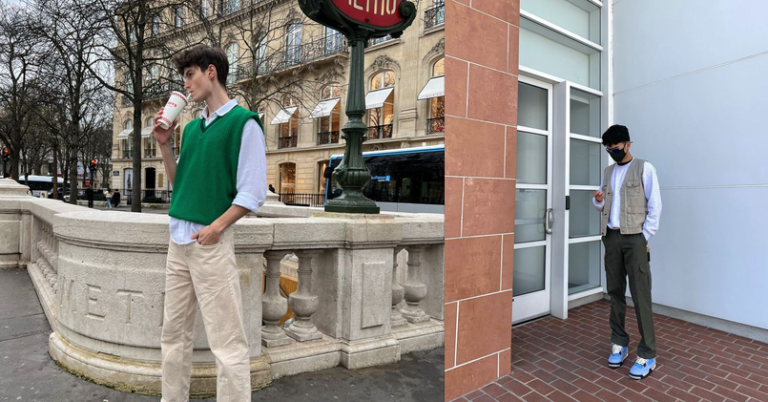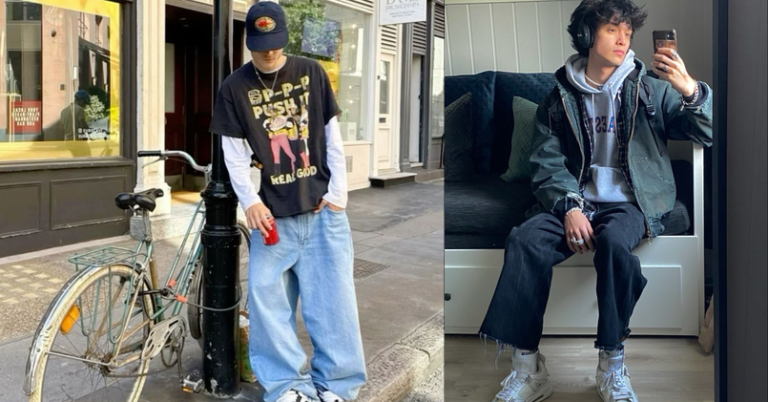

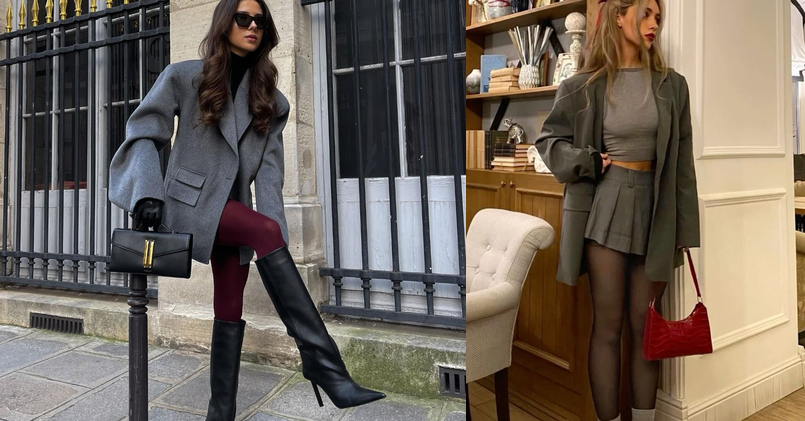
Luxury fashion aesthetic is not about price tags. It is about the visual impression of quality, intention, and restraint. The most expensive-looking outfits on Pinterest are not the ones with visible logos or designer items. They are the ones where the fit is precise, the color palette is controlled, the accessories are minimal, and every element looks chosen rather than grabbed. That impression is achievable at any budget if you understand what creates it.
I spent years believing that looking expensive required expensive clothes. Then I started studying what actually made certain outfits read as high-end in photos. The pattern was consistent: neutral colors, clean lines, quality fabrics (or fabrics that look quality), and one or two focal points. The $40 outfit that follows these rules looks more expensive than the $400 outfit that breaks them.
Neutral Palette as the Foundation
Luxury fashion lives in neutrals: black, white, cream, camel, gray, navy, and beige. These colors read as expensive because they reference the restraint of high fashion houses (Celine, The Row, Bottega Veneta) that use minimal color as a design principle. A monochrome neutral outfit looks more expensive than a colorful one at the same price point because the color restraint signals control.
All-Cream Monochrome With Structured Bag
A head-to-toe cream outfit (knit, linen, or cotton) with a structured bag in the same color family and clean shoes. All-cream is the luxury neutral that photographs the best because the single color creates a clean, editorial line. The structured bag adds the polish that a casual tote would remove. The key is mixing cream shades and textures: a cream knit with an ivory trouser and an off-white shoe prevents the monochrome from looking flat. I wore an all-cream set from COS ($110 total) to a gallery event and three people asked if it was designer.
Camel Coat Over All-Black
A camel wool coat over an all-black outfit with clean leather boots. The camel-over-black combination is the old money formula that reads as expensive in every context. The camel coat’s warm neutral against the black’s darkness creates a contrast that references the aesthetic of Parisian fashion editorials. This is the luxury look that requires the least effort because the coat does all the work. A $100 camel coat from Mango or Zara looks nearly identical to a $2,000 Max Mara in photos because the silhouette and color are the same.
Black and White With Clean Lines
A black and white outfit with sharp, clean lines and minimal accessories. The black-and-white palette reads as luxury because it eliminates color as a variable and forces the focus onto fit, proportion, and fabric quality. A white button-down with tailored black trousers and pointed-toe shoes is the combination that looks the most expensive at the lowest cost because every element is a wardrobe basic elevated through fit.
Tailoring and Fit
Fit is the single factor that separates expensive-looking from cheap-looking more than any other variable. A perfectly fitting $30 trouser reads as designer. A poorly fitting $300 trouser reads as off-the-rack. Tailoring costs $10 to $20 per piece at most alterations shops and it is the most cost-effective upgrade in fashion.
Tailored Blazer With Matching Trousers
A tailored blazer with matching or coordinating trousers and a simple base. The suit-inspired combination is the luxury aesthetic at its most classic. The blazer should sit flat on the shoulders (not extending past the natural shoulder line), button without pulling, and hit at the hip. The trousers should taper gently to the ankle with no break or a slight break at the shoe. These fit details are what separate a $60 Zara suit from looking like fast fashion and make it read as intentional tailoring.
Fitted Knitwear With Tailored Bottom
A fitted cashmere or fine-gauge knit sweater with tailored trousers and leather shoes. The quality knit (cashmere, merino, or a good cashmere-blend) is the luxury piece that most betrays its price point because cheap knits pill, stretch, and lose shape after a few wears. A $40 cashmere sweater from Uniqlo or Quince is the best budget investment in the luxury aesthetic because the fabric feels and drapes like a $200 sweater from a department store. The fitted cut (not oversized, not tight) reads as deliberate.
Minimal Accessories
Luxury fashion uses fewer accessories at higher (or higher-looking) quality. One watch, one necklace, one bag. Not five bracelets, three necklaces, and a bag with visible logos. The minimalism signals confidence: you do not need more because what you have is enough.
Gold Jewelry With Clean Outfit
Minimal gold jewelry (one chain necklace, small hoops, thin bracelet) with any neutral outfit. Gold reads as warmer and more expensive than silver in most contexts because it catches warm light (indoor, candlelight, golden hour) in a way that flatters skin tones. The minimal approach (one to three pieces, no stacking, no oversized) signals that each piece was chosen carefully. Mejuri, Ana Luisa, and PAVOI produce gold-plated jewelry that looks nearly identical to solid gold for $30 to $60 per piece.
Structured Bag in Neutral Leather
A structured bag in black, brown, or tan leather (or quality vegan leather) without visible logos. The structured bag reads as expensive because the shape holds itself, the material has weight, and the absence of logos suggests the bag does not need a brand name to justify itself. This is the luxury signifier that is worth the most investment because a quality bag elevates every outfit for years. Polene, DeMellier, and Cuyana make structured bags in the $150 to $300 range that rival the silhouettes of bags costing ten times more.
Clean Shoes in Pointed or Minimal Silhouette
Pointed-toe heels, clean leather loafers, or minimal sneakers in a neutral color. Shoes are the second element (after the bag) where the luxury impression lives or dies. Chunky athletic sneakers, worn-out shoes, and overly decorated footwear all break the luxury register. Clean, pointed, or minimal shoes in black, nude, or white maintain it. The shoe does not need to be expensive. It needs to be clean, structurally simple, and in good condition. A $50 pointed-toe heel from Steve Madden in black patent reads as expensive when paired with the right outfit.
Building a Luxury-Look Wardrobe
Start with eight pieces: one tailored blazer in black or camel, one pair of tailored trousers, one quality knit sweater, one white button-down, one camel or black coat, one structured bag, pointed-toe shoes, and minimal gold jewelry. Those eight items create ten or more outfits that read as luxury. Budget: $300 to $500 for the full rotation at Zara, COS, Uniqlo, and Mango. The bag is the one item worth spending more ($150 to $300) because it is the piece most visible in every outfit and the piece that cheap versions betray the fastest.
Frequently Asked Questions
How do you look expensive on a budget?
Stick to neutral colors (cream, camel, black, white). Prioritize fit over brand. Invest in one quality bag and one pair of clean shoes. Use minimal gold jewelry. Tailor your clothes for $10 to $20 per piece.
What colors look the most expensive?
Cream, camel, black, white, navy, and beige. These neutrals read as high-end because they reference luxury fashion houses that use minimal color. Monochrome outfits in these colors look the most polished.
What makes clothes look cheap?
Poor fit (too long, too baggy, pulling at seams), visible logos, pilling fabric, wrinkled synthetics, and too many accessories at once. Fix the fit and reduce the accessories and the same clothes look significantly more expensive.
What brands look expensive but are affordable?
COS, Uniqlo, Zara (tailored lines), Mango, and H&M Premium. For bags: Polene, Cuyana, DeMellier. For jewelry: Mejuri, Ana Luisa, PAVOI. For shoes: Steve Madden, Sam Edelman. Quality over quantity at every price point.