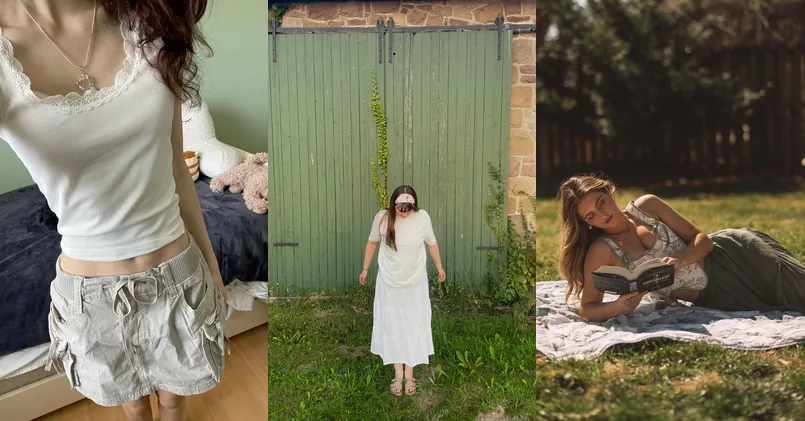
Cottagecore fashion romanticizes rural life through clothing: prairie dresses, floral prints, hand-knit cardigans, lace details, and natural fabrics in soft, muted colors. The aesthetic imagines a life of baking bread, picking wildflowers, and reading in a sunlit garden. The clothing expresses that fantasy through pieces that reference pre-industrial craftsmanship, pastoral landscapes, and a slower pace of living.
Cottagecore is not about buying specific pieces. It is about choosing pieces that feel handmade, soft, and intentionally old-fashioned in a world that pushes everything toward sleek and minimal. A linen dress and a knit cardigan are enough to match a countryside setting in a way city clothes rarely do.
What defines cottagecore
Cottagecore emerged from online communities in the late 2010s and grew sharply in popularity in 2020, when interest in baking, gardening, and slower living rose. Its fashion looks back to pastoral and pre-industrial dress: prairie dresses, the pinafore, hand-knit cardigans, and lace details.
Key pieces
- Floral prairie dress with puff sleeves
- White linen dress with lace or eyelet trim
- Tiered midi dress in an earthy tone
- Chunky hand-knit cardigan
- Puff-sleeve blouse
- Pinafore or apron dress
- Woven basket bag and leather ankle boots
Palette and fabrics
Cream, oatmeal, sage, rust, dusty rose, and soft white lead the palette, with small ditsy florals as the main print. Fabrics lean on linen, cotton, eyelet, lace, hand-knit wool, and leather and straw accessories.
The Cottagecore Dress
The dress is the centerpiece of cottagecore. Long, flowing, and usually in a floral print or a solid natural tone. The silhouette references pioneer dresses, Victorian day dresses, and the kind of garments you see in pastoral paintings. Puff sleeves, gathered waists, and tiered skirts are the construction details that signal cottagecore.
Floral Prairie Dress With Puff Sleeves
Image: Pinterest
A floral prairie dress with puff sleeves, a gathered waist, and a midi or maxi length. This is the cottagecore template dress. The floral print references the garden. The puff sleeves reference historical garments. The gathered waist provides the fitted element that prevents the dress from looking like a nightgown. A floral midi is the most versatile piece for outdoor events, brunches, and any occasion where the setting matches the aesthetic. The key to choosing a cottagecore floral is the scale: small, ditsy florals look like cottagecore. Large, bold florals look tropical or modern.
White Linen Dress With Lace Details
Image: Pinterest
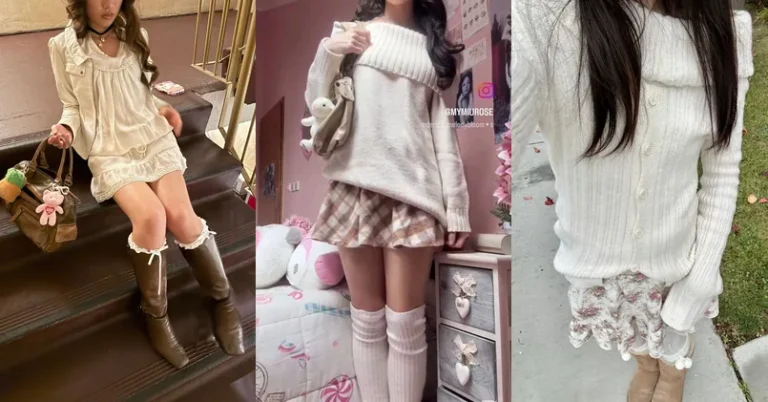
A white linen or cotton dress with lace trim, eyelet details, or embroidery. The white dress is the soft feminine version of cottagecore that looks the most romantic and the most versatile. White linen in sunlight photographs beautifully because the fabric catches every shadow and fold. The lace or eyelet detail adds the handmade quality that separates cottagecore from basic white dresses. This is the dress for garden parties, outdoor weddings (as a guest), and any setting where the natural light and green surroundings complete the aesthetic.
Tiered Midi Dress in Earthy Tone
Image: Pinterest
A tiered midi dress in rust, sage, or dusty rose with leather sandals or boots. The tiered construction adds volume and movement without adding bulk because each tier catches air independently. Earthy tones (rather than pastels or white) give the dress a more grounded, practical feel that extends the aesthetic beyond summer into fall. This is the cottagecore dress for women who find full floral too busy because the solid color lets the construction do the talking.
Knit Layers and Cardigans
The cardigan is to cottagecore what the blazer is to dark academia: the layering piece that defines the aesthetic. A hand-knit or chunky cardigan over a dress or a blouse-and-skirt combination adds the cozy, homemade quality that cottagecore celebrates. The cardigan should look like someone made it, whether or not they actually did.
Oversized Knit Cardigan Over Floral Dress
Image: Pinterest
An oversized chunky-knit cardigan in cream or oatmeal over a floral midi dress with boots. The oversized cardigan over a dress creates the cottagecore silhouette that photographs the best: structured volume on top, flowing movement below. The cream or oatmeal color is warm and neutral enough to layer over any floral without competing. The boots (ankle boots or knee-high in brown leather) ground the outfit and reference the rural setting that cottagecore romanticizes. This combination works from September through April because the cardigan handles a wider temperature range than most people expect.
Cropped Cardigan With High-Waisted Skirt
Image: Pinterest
A cropped cardigan (buttoned or tied) with a high-waisted maxi or midi skirt and a delicate blouse underneath. The cropped cardigan with a high-waisted bottom is the cottagecore proportion that references Regency-era fashion: short bodice, long flowing skirt. The proportion creates a defined waistline that flatters most body types. The blouse peeking out at the neckline and wrists adds the layered detail that makes the outfit look intentional rather than random.
Cottagecore Separates
Not every cottagecore outfit starts with a dress. Separates (blouses, skirts, trousers, aprons) build the aesthetic in a more modular way and allow mixing with non-cottagecore pieces for daily wearability.
Puff-Sleeve Blouse With Linen Trousers
Image: Pinterest
A puff-sleeve blouse in white or cream with high-waisted linen trousers and woven sandals. The puff-sleeve blouse is the cottagecore top that works with jeans, skirts, and trousers equally well. The linen trousers add the natural-fabric quality that cottagecore requires while providing the practicality that a long skirt sometimes lacks. This is the modern-cottagecore combination for women who want the aesthetic without the full prairie dress commitment. It works at farmers markets, outdoor cafes, and casual workplaces.
Pinafore or Apron Dress Over Blouse
Image: Pinterest
A pinafore or apron-style dress over a long-sleeve or puff-sleeve blouse with boots. The pinafore is the cottagecore layering piece that references farm work and domestic crafts directly. The blouse underneath provides the romantic detail (lace collar, puff sleeves) while the pinafore provides the practical structure. The layered combination creates the visual depth that cottagecore outfits need to avoid looking like simple dresses.
Woven Basket Bag With Natural Accessories
Image: Pinterest
A woven basket or straw bag with a boho-adjacent cottagecore outfit and natural-material accessories (leather sandals, wooden jewelry, dried flower hair clip). The basket bag is the cottagecore accessory that completes any outfit in the aesthetic because the material (straw, rattan, wicker) references the rural, handmade quality that the clothing aims for. Dried flowers as hair accessories or pinned to a cardigan add the literal garden element that ties the aesthetic to its inspiration.
Small florals, not tropical
Start with seven pieces: a floral midi dress, a white or cream linen dress, an oversized knit cardigan, a puff-sleeve blouse, a high-waisted midi skirt in a solid color, brown leather ankle boots, and a woven basket bag. Add pearl or vintage-style jewelry and one hair accessory. The floral stays small. Large prints belong somewhere else.
What is cottagecore fashion? Cottagecore fashion romanticizes rural and pastoral life through prairie dresses, floral prints, lace details, hand-knit cardigans, and natural fabrics in soft colors. The aesthetic values handmade quality, femininity, and a connection to nature.
How do I dress cottagecore without looking costume-like? Mix one cottagecore piece (a puff-sleeve blouse, a floral skirt, or a knit cardigan) with modern basics like jeans or simple boots. The aesthetic works best when it is suggested, not shouted.