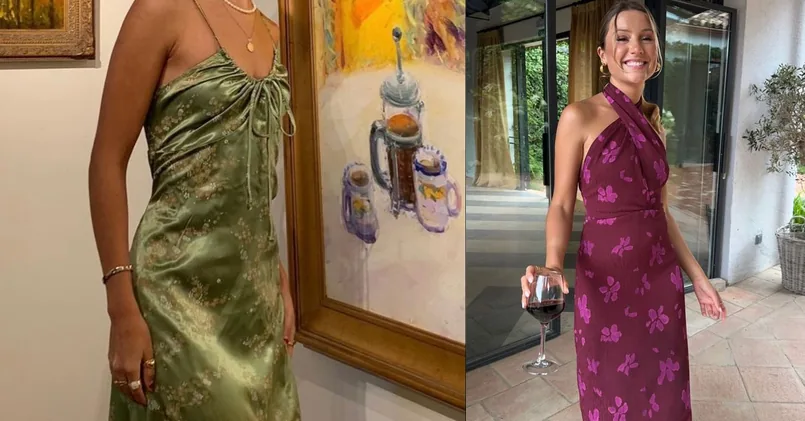
Women overthink wedding guest outfits more than almost any other invite, and enjoy the process the least. The dress code is vague (“cocktail attire,” “semi-formal,” “festive”), the rules are unwritten (no white, nothing too short, nothing too casual), and the stakes feel higher than they are. The result is that most women buy something new, wear it once, and never touch it again. The better approach is understanding the formulas that work across wedding types so you can build outfits from pieces you will actually wear again.
A small set of dresses can cover a long wedding season when the styling changes the look each time. Different shoes, jewelry, and layers make the same dress read as a new outfit. Here is how the formulas break down by dress code and season.
The Midi Dress Formula
The midi dress is the safest wedding guest choice because the length is appropriate for every venue (church, garden, ballroom, rooftop) and the silhouette flatters without being tight. The midi hits between the knee and the ankle, which means it moves well, photographs well, and sits well when you are in a pew or at a dinner table for three hours.
Floral Midi Dress With Heeled Sandals
Image: Pinterest
A floral midi dress in a warm palette with heeled sandals and a clutch. Florals are the wedding guest default because they are festive, feminine, and appropriate for every formality level. The warm palette (rust, blush, sage, gold) looks more sophisticated than bright florals because the tones photograph well against most wedding color schemes. Heeled sandals in nude or metallic extend the leg line below the midi hem. A rust-toned floral wrap dress is a smart pick here because the wrap silhouette adjusts to body changes and the color works in every season.
Solid Color Midi With Statement Earrings
Image: Pinterest
A solid-color midi dress in emerald, burgundy, or cobalt with statement earrings and heels. The solid color lets the earrings become the focal point, which means one dress and three pairs of earrings produce three different wedding looks. Jewel tones (not pastels) are the wedding guest colors that read as the most intentional because they signal celebration without competing with the bridal party. Statement earrings are the one accessory that changes a simple dress more than any other piece because they frame the face, which is where everyone looks in photos.
Pleated Midi in Neutral Tone
Image: Pinterest
A pleated midi dress in champagne, blush, or sage with delicate jewelry and pointed-toe heels. The pleating adds movement and texture that a flat fabric cannot, which means the dress photographs with visual depth even in a simple color. This is the old money approach to wedding guest dressing: quiet elegance, minimal accessories, and a dress that speaks through fabric quality rather than color or pattern. Pointed-toe heels are the shoe that looks the most formal, making them the right choice for church ceremonies and evening receptions.
The Jumpsuit Alternative
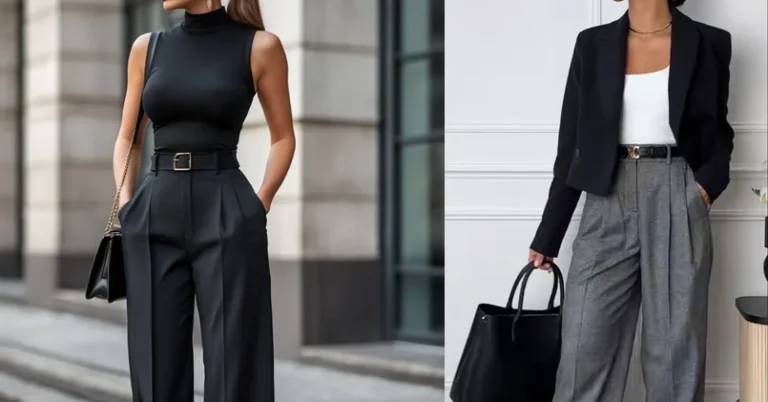
The jumpsuit is the wedding guest option for women who do not want to wear a dress but still need to look formal. The key is choosing a jumpsuit with evening-appropriate fabric (crepe, satin, or structured jersey) and adding heels. A cotton or linen jumpsuit looks daytime casual. A crepe or satin jumpsuit looks cocktail-appropriate.
Wide-Leg Jumpsuit With Statement Belt
Image: Pinterest
A wide-leg jumpsuit in a solid color with a statement belt at the waist and heels. The belt is essential because most jumpsuits create a column silhouette that can look shapeless without waist definition. The statement belt (metallic, embellished, or wide leather) adds the visual break that defines the body and functions as a jewelry-like detail. Wide legs with heels create a long, flowing line that moves well on the dance floor, which is the practical test most wedding outfits fail.
Tailored Jumpsuit With Structured Clutch
Image: Pinterest
A tailored jumpsuit (fitted through the torso, wide or straight at the leg) with a structured clutch and heeled sandals. The tailored version looks more formal than a relaxed jumpsuit because the fit mirrors suiting. This is the outfit for anyone who wants to look sharp at a wedding without wearing anything traditionally feminine. A structured clutch in a metallic finish adds the evening detail that a regular bag cannot provide. In a room of dresses, a black crepe jumpsuit stands out for the right reasons.
Summer and Outdoor Weddings
Outdoor weddings add practical challenges: heat, grass (no stiletto heels), wind (no lightweight fabrics that fly up), and direct sun. The outfits that handle outdoor weddings are heavier fabrics in light colors, block heels or wedges, and styles that do not require constant adjustment.
Wrap Dress in Light Fabric With Wedge Heels
Image: Pinterest
A wrap dress in a lightweight fabric with wedge heels and a crossbody or wristlet. The wrap dress is the outdoor wedding champion because it breathes, adjusts to the body, and the V-neckline flatters without being too low for a ceremony. Wedge heels solve the grass problem: they distribute weight so you do not sink into soft ground. Stilettos sink into a vineyard lawn by the second cocktail hour. Wedges or block heels are the rule on grass, no exceptions.
Maxi Dress With Elegant Accessories
Image: Pinterest
A flowing maxi dress with elegant jewelry and dressy sandals. The maxi length provides full coverage for religious ceremonies and conservative venues while the flowing silhouette handles heat and movement. The maxi is the most forgiving length for outdoor settings because it hides the shoes (useful if you need to switch to flats on grass) and the length creates a dramatic line in wind that photographs beautifully. Light colors (sage, blush, lilac, champagne) work best for summer outdoor weddings because they reflect heat rather than absorbing it.
Bright Color Midi for Daytime Celebration
Image: Pinterest
A bright-colored midi dress (fuchsia, orange, or cobalt) for a daytime outdoor wedding. Bright colors at daytime weddings work because natural light softens them differently than indoor lighting does: the sun warms bold colors while indoor light can make them overwhelming. A bright midi with sandals and a woven or straw clutch looks festive and summery without trying too hard. This is the wedding guest outfit for beach ceremonies, garden parties, and any celebration where the dress code leans toward “celebratory casual.” A fuchsia midi in an affordable fabric can be the standout piece at any summer wedding.
Evening and Formal Weddings
Evening weddings (black tie optional, formal, cocktail) require darker tones, richer fabrics, and more polished accessories. The formality step-up from daytime is primarily fabric and shoe: satin replaces cotton, pointed-toe heels replace sandals, and structured bags replace woven clutches.
Satin Slip Dress With Strappy Heels
Image: Pinterest
A satin slip dress in a jewel tone with strappy heels and minimal gold jewelry. The slip dress is the evening wedding piece that looks elegant without extra effort. The satin catches candlelight and evening lighting in a way that matte fabrics cannot. The strappy heel adds femininity without competing with the dress. Minimal jewelry (thin chain, small hoops) lets the fabric do the talking. A navy satin slip dress is exactly the right level for a black-tie optional wedding: formal enough for the setting, simple enough to avoid competing with the bride.
Structured Dress in Deep Color With Statement Earrings
Image: Pinterest
A structured dress (fitted bodice, A-line or pencil skirt) in a deep color with statement earrings and pointed-toe heels. The structured silhouette provides the formality that evening events require. Deep colors (navy, burgundy, forest green, plum) read as the most appropriate for evening weddings because they match the lighting and mood. Statement earrings convert a simple structured dress into a wedding-ready outfit with one accessory swap. Invest in one pair of chandelier or drop earrings in gold and they handle every evening wedding invitation for years.
Black Evening Look With Gold Accessories
Image: Pinterest
A black midi or maxi dress with gold jewelry and heeled sandals for an evening ceremony. Most people ask whether black is appropriate at weddings. The answer in 2026 is yes, in most modern settings. Black looks elegant and intentional at evening weddings. The gold accessories are the key: they add warmth that prevents the black from reading as somber. Gold chains, gold hoops, and a gold clutch against black create a combination that is formal, polished, and photographically striking. The only weddings where all-black is best avoided are very casual daytime outdoor celebrations.
Prints and Patterns That Work
Solid colors are the safe default but prints add personality when chosen correctly. The wedding guest prints that work are florals (always), abstract patterns in muted tones, and polka dots at smaller scales. The prints that do not work are animal prints (too casual), graphic prints (too loud), and any print larger than your fist (too distracting in group photos).
Small-Scale Floral With Delicate Details
Image: Pinterest
A small-scale floral dress with delicate details (lace trim, ruffle hem, puff sleeve) and heels. The small floral print looks elegant and traditional, which is the right register for religious ceremonies and formal daytime weddings. Large florals can feel costume-like. Small florals feel classic. The delicate details (lace, ruffles, sheers) add feminine texture that elevates the dress above a basic cotton print. When shopping for a wedding floral, look for prints where no single color dominates. Multi-tonal florals coordinate with more shoe and accessory options than a dress with one bold color.
Abstract Print in Muted Tones
Image: Pinterest
An abstract or watercolor print dress in muted, warm tones with minimal accessories. The abstract print is the modern alternative to florals for women who want pattern without the traditional look. Muted tones (terracotta, sage, dusty rose, soft gold) read as sophisticated because they do not shout. This is the print choice for art gallery weddings, modern venues, and any celebration where the aesthetic leans contemporary rather than classic. Minimal accessories work best because the print is already providing the visual interest.
A small wedding wardrobe
Three dresses cover most invitations: one floral midi for daytime, one solid jewel-tone midi that works more than once, and one satin or slip for evening. Add nude or metallic heeled sandals, pointed-toe heels, a structured clutch, gold drops, and crystal studs. That is the whole kit. Choose colors that also work for dinner, not a wedding-only shade. A blazer over the midi is the backup when the dress code is fuzzy.
What should a woman wear to a wedding as a guest?
A midi dress in a solid jewel tone or a floral print is the safest choice. Add heeled sandals and a clutch for daytime, pointed-toe heels and statement earrings for evening. Avoid white, very casual fabrics, and anything too short for a ceremony.
Is it OK to wear black to a wedding?
Yes, in most modern settings. Black looks elegant at evening and formal weddings. Avoid all-black at very casual or daytime outdoor weddings where it can look somber. Add a colorful accessory if the setting feels uncertain.
What shoes should I wear to an outdoor wedding?
Block heels or wedges for grass and uneven surfaces. Avoid stilettos which sink into soft ground. Strappy sandals with a thick heel are the most versatile option for garden, beach, and vineyard weddings.
Can I wear pants to a wedding?
Yes. A wide-leg jumpsuit or tailored trousers with a dressy top and heels works for cocktail and semi-formal dress codes. Choose evening-appropriate fabrics like crepe or satin rather than cotton or linen.
Do I need a new dress for every wedding?
No. A few dresses can cover many weddings when the shoes, jewelry, and layers change. Guests rarely notice a repeated dress when the styling is different.