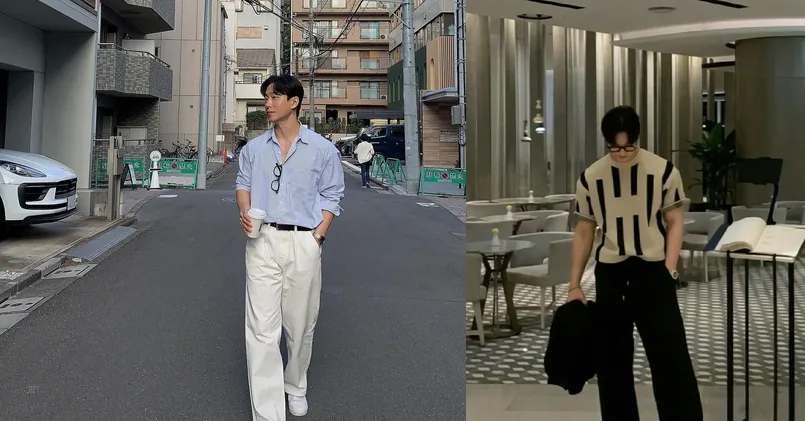
Pinterest makes the neutrals look easy, which is where korean mens fashion actually hides the work. Scroll through any Pinterest board of Korean street style and the outfits look simple: neutral colors, clean fits, minimal accessories. But try to copy them piece by piece and something feels off. The reason is that Korean menswear is not about the individual items. It is about how those items relate to each other in proportion, drape, and color temperature.
Korean fashion differs from other minimalist aesthetics more clearly than most people think. Japanese fashion plays with oversized workwear textures. Scandinavian minimalism is about function. Korean mens fashion is about controlled softness: relaxed but not loose, neutral but not boring, simple but with enough detail to photograph well from any angle. Here is what that looks like in practice.
What defines Korean menswear
Korean menswear gained global visibility with the Korean Wave, as K-pop idols and Seoul street style brought its soft, tonal, carefully proportioned look to a wider audience. The signature is controlled softness: smooth fabrics, wide trousers, thin layers, and a neutral palette.
Key pieces
- Wide-leg trousers in cream, gray, or black
- Plain white and black tees
- Fine-gauge crewneck sweater
- Collared shirt for layering
- Lightweight jacket or oversized blazer
- Long dark coat for winter
- Clean white sneakers
Palette and fabrics
The palette stays in black, white, gray, beige, cream, and navy, with tan and olive for tonal layering. Fabrics lean on smooth cotton, fine-gauge knit, light wool, linen, and drapey twill rather than chunky or heavily textured materials.
The Neutral Foundation
Korean menswear builds almost every outfit on a neutral base: black, white, gray, beige, cream, navy. The palette is quieter than most Western streetwear. The point is not to stand out through color. It is to stand out through proportion and fit. When you strip color away, the silhouette has to carry the outfit, and that is exactly what Korean fashion prioritizes.
White Tee With Wide Cream Trousers
Image: Pinterest
White tee, wide cream trousers, clean sneakers. Two colors. Three pieces. The outfit works because the trouser width is doing all the visual work. In Korean styling, the pant silhouette is the statement. Not the jacket, not the shoe, the pant. These wide trousers create a flowing line from waist to ankle that gives the outfit a sense of movement. A slim pant with the same tee would look like a basic outfit. The wide leg makes it Korean-inspired.
Black-on-Black With Relaxed Fit
Image: Pinterest
All black, but nothing tight. A relaxed black tee with slightly wide black pants and dark sneakers. Korean all-black is different from Western all-black because the fit is softer. Western all-black tends toward fitted jeans and structured jackets. Korean all-black lets the fabric hang. The result looks like intentional minimalism rather than a lack of planning. It is the most wearable version of the aesthetic because it works in almost every context, from a casual work environment to a weekend dinner.
Beige Tones With Layered Top
Image: Pinterest
Head-to-toe beige with a layered shirt or lightweight jacket. Monochromatic beige is a Korean fashion signature that rarely shows up in Western menswear. What holds it is warmth: beige looks approachable, soft, and modern in a way that all-white or all-gray does not. The layering adds depth to what could otherwise look flat. A simple watch or a small bag completes it. Nothing flashy. The restraint is the point.
Gray Sweater With Dark Trousers
Image: Pinterest
A soft gray sweater with dark trousers and clean shoes. This is the autumn version of the neutral foundation, and it shows how Korean fashion handles seasonal transitions. The sweater is not chunky or cable-knit. It is smooth, fine-gauge, almost flat. That texture choice matters. A chunky knit looks like Japanese fashion. A smooth, flat knit looks Korean. The distinction is subtle but it changes the entire feel of the outfit.
Clean Layering
Korean menswear layers differently from most aesthetics. The layers are thin, they lie flat against each other, and they create depth through visible necklines and cuffs rather than through bulk. A shirt under a sweater under a coat, all in similar tones, all fitting cleanly. No bunching, no excess fabric.
Shirt Under Sweater With Tailored Pants
Image: Pinterest
A collared shirt layered under a crewneck sweater, with the collar and cuffs visible. Tailored pants and leather shoes. This is Korean smart casual at its most refined. The visible collar is the key detail. It adds a layer of formality to the sweater without requiring a blazer. It suits meetings where a suit would be too much but a tee would be too little. The collar solves the problem.
Light Jacket Over Neutral Base
Image: Pinterest
A lightweight jacket over a plain tee, straight-leg pants, and clean sneakers. The jacket is not heavy. It is thin, almost shirt-weight, and it falls straight without cinching at the waist. This is the Korean layering principle: the jacket is a visual layer, not a warmth layer. It adds a line and a color block to the outfit. Remove it, and the outfit still works, but it loses the dimension that makes it look styled rather than default.
Tonal Layering in Earth Tones
Image: Pinterest
Multiple layers in close earth tones: tan, olive, brown. The tones are different enough to create depth but similar enough that the outfit looks like one continuous thought. This tonal layering is one of the hardest Korean techniques to copy because it requires pieces in very specific shades. The practical route: start with a white or cream base, add one layer in tan or sand, and finish with a darker jacket in olive or brown. The gradient from light to dark creates the effect.
Street-Level Korean Style
Not all Korean mens fashion is minimal and soft. The street side is bolder: graphic elements, wider silhouettes, occasionally a pop of color. But even the streetwear version maintains the clean lines and controlled proportions that define the aesthetic.
Oversized Blazer With Wide Pants
Image: Pinterest
An oversized blazer with wide-leg pants and a simple tee. The blazer’s dropped shoulders and relaxed body are distinctly Korean: structured enough to look like a blazer, loose enough that it feels modern. The wide pants complete the silhouette by keeping the proportions consistent from top to bottom. It is not a formal-meeting outfit, but for a creative work environment or a dinner, it hits exactly the right note between dressed up and relaxed.
Graphic Tee With Relaxed Chinos
Image: Pinterest
A graphic tee with relaxed chinos and sneakers. The graphic tee is the one area where Korean streetwear introduces visual loudness, and even then, it is usually a single graphic on a plain background, not an all-over print. The chinos sit wide but not baggy. The sneakers are clean, often white. One loud piece, everything else quiet. That is the Korean approach to streetwear.
Dark Coat Over All-Black Base
Image: Pinterest
A long dark coat over an all-black outfit. This is the winter anchor of Korean streetwear. The coat length is key: it falls below the knee, which creates a long vertical line from shoulder to mid-calf. That line is what makes the outfit look deliberate. A shorter jacket would break the silhouette into segments. The long coat unifies everything into one column. If you are building a dark academia wardrobe, this same coat works there too, but the Korean version pairs it with sneakers instead of dress shoes, which changes the entire register.
Wide pant, then the thin jacket
Begin with neutrals: white tees, black tees, beige or gray pieces. Buy pants one size wider than you normally would. Get clean white sneakers. Add one thin layering piece: a lightweight jacket, a fine-gauge sweater, or a linen overshirt. Those pieces will cover 80% of the outfits in this guide. Korean mens fashion rewards restraint. The less you add, the more the proportions speak. Start simple, and build from there.
What is the difference between Korean and Japanese fashion for men?
Korean mens fashion favors clean, smooth textures, tonal palettes, and relaxed but controlled fits. Japanese fashion leans more toward workwear textures, oversized proportions, and earth-tone vintage influences. Korean is softer and more polished; Japanese is more textured and experimental.
How do I make Korean fashion work in everyday Western settings?
Start with neutral basics and wider pants. The aesthetic translates naturally because the colors are subtle and the silhouettes are relaxed. Most people will not identify your outfit as Korean-inspired. They will just notice that it looks clean, modern, and well-proportioned.