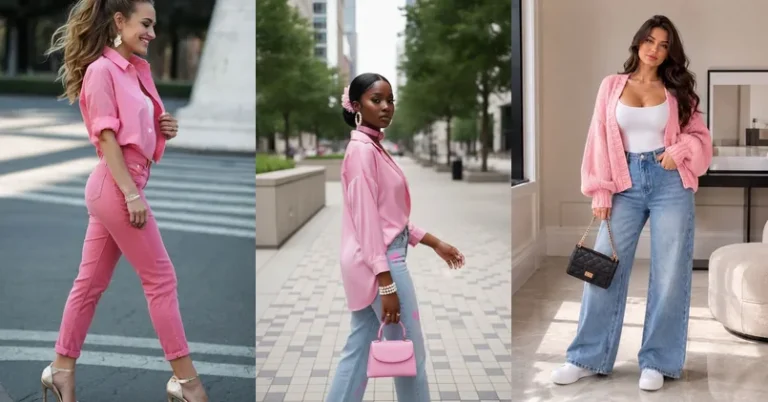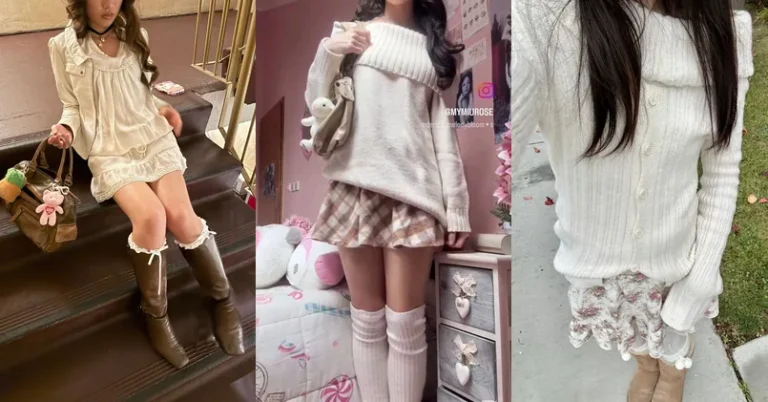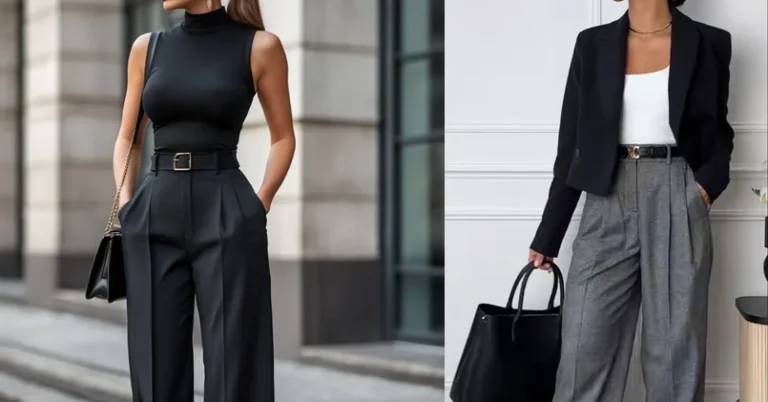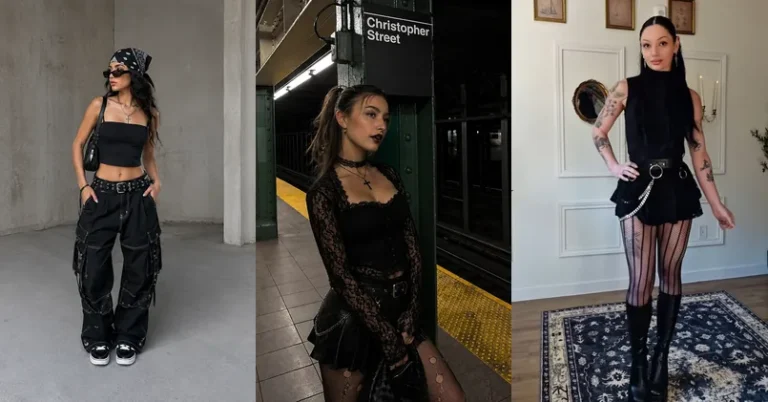
Every Pinterest fashion aesthetic has a name and a palette, and knowing which ones you borrow from simplifies every shopping decision. Aesthetics evolve, merge, and spawn new variations all the time. The landscape shifts constantly, but the core aesthetics stay stable because they are rooted in cultural identity, not seasonal trends.
This guide is built from outfits that are actually wearable and shoppable, not mood boards admired from a distance. Each section represents a real approach to getting dressed that has shaped how women shop on Pinterest.
What Defines a Pinterest Fashion Aesthetic
A Pinterest fashion aesthetic is a named visual style, with its own palette, silhouettes, and mood, that people organize boards and outfits around. The habit grew alongside Pinterest itself, which launched in 2010 and turned saving and sorting images into a way of defining personal style. Most aesthetics borrow from older sources such as European street style, preppy dressing, or minimalism, then give them a catchy name and a consistent look.
Key pieces
- A fitted tee, crop top, or bodysuit in a neutral tone
- Wide-leg trousers, cargo pants, or straight jeans
- A structured blazer or cropped jacket
- A chunky knit or cardigan for texture
- Clean white sneakers, ballet flats, or tall boots
- One quality bag, such as a structured shoulder bag or a woven basket bag
- Gold hoops or a simple pendant as the only jewelry
Palette & fabrics
Most Pinterest aesthetics lean on a restrained palette of cream, taupe, brown, black, sage, and navy, with one accent color per outfit. Fabrics do the visual work: linen for warm weather, knit and wool for fall, leather and satin for polish. Keep the colors close and let texture supply the interest.
Clean Girl and Minimal Polish
The clean girl aesthetic strips fashion down to fit, fabric, and grooming. Neutral tones, minimal accessories, and a silhouette that looks effortless because every proportion is deliberate. This is the aesthetic that makes people think you are not trying, which is the entire point.
Brown Tee and Cream Pants
Image: Pinterest
The pants in this combination are the kind of piece that gets people asking where they are from. The brown-and-cream pairing reads more intentional than black-and-white because fewer people default to it. The sneakers keep the whole thing grounded. Heels would push this into a different aesthetic entirely, and the point of clean girl is that the effort is invisible.
Sage Overshirt With White Base
Image: Pinterest
A sage green overshirt is the one color worth letting into an otherwise all-neutral rotation, because it acts like a neutral itself. The white crop top and white wide pants underneath do nothing on their own. The overshirt frames the outfit and the green sneakers echo it from the bottom. A similar overshirt is easy to find at a mainstream retailer for a modest price, and it can repeat often without anyone noticing it is the same piece.
Black Crop and Cargo Pants
Image: Pinterest
The sunset behind this outfit is doing half the work, but the formula holds in any light. A fitted black crop with beige cargo pants and white sneakers is the clean girl version of streetwear. The cargo pockets add visual weight without adding color, which keeps the look minimal. The pocket utility makes this practical for a market day or any errand run.
Cafe Terrace in Cream
Image: Pinterest
A brown fitted tee with cream trousers and Adidas sneakers, sitting at a cafe with an iced coffee. This is the most Instagrammed version of casual fashion for a reason: it photographs beautifully in warm light and requires exactly zero accessories beyond a pendant necklace. The YSL bag is the only loud element, and even that whispers.
White Crop and Wide Jeans
Image: Pinterest
This is clean girl at its most reduced. White crop tee, wide jeans, chunky sneakers, sunglasses. Nothing else. An outfit like this works as a baseline to build from. Add a blazer, and it becomes smart casual. Add gold hoops and a structured bag, and it reads polished. The foundation is what matters, and this foundation works with almost everything else in a closet.
Taupe Bodysuit Power Fit
Image: Pinterest
A fitted bodysuit in taupe with black wide-leg trousers and a statement belt is the dressiest version of clean girl that still counts as minimal. The contrast between the fitted top and the volume below creates a silhouette that looks thought through. The white bag provides the only color pop. It holds its own next to a dress at a gallery opening, with the advantage of being able to walk ten blocks after.
European Street and Cafe Culture
These outfits borrow from the Parisian, Italian, and Mediterranean approach to dressing: good fabric, relaxed fit, and a general attitude that looking good is a baseline expectation rather than a special occasion.
Reading on a Park Bench
Image: Pinterest
Light blue trousers, ballet flats, a white blouse, and a woven basket bag on a park bench with a book. This is the Pinterest fashion aesthetic that launched a thousand mood boards. A woven basket bag like this tends to draw more compliments than a designer piece. The aesthetic is not about the individual items. It is about looking like you have nowhere to be and are dressed perfectly for it.
Coffee Date Jacket
Image: Pinterest
A cropped black jacket with gold buttons over a white tank and jeans at a cafe. The jacket elevates everything beneath it without trying. A cropped jacket like this can be thrown over any basic outfit when it needs to look like a decision. The brown belt ties the blue denim to the gold buttons, and that small color bridge is the difference between styled and just dressed.
Italian Summer Linen
Image: Pinterest
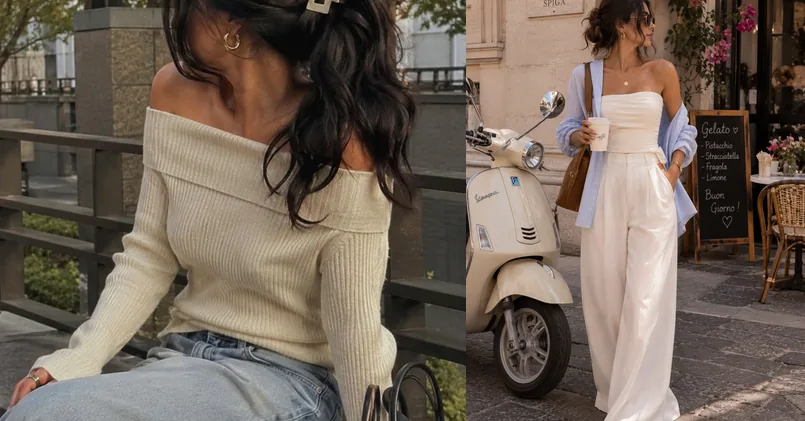
A white strapless top with a blue button-down draped over the shoulders, white wide-leg pants, and sandals in front of a Vespa. This is aspirational Pinterest fashion aesthetic at its peak, and it works because every piece is actually wearable. The blue shirt plays three roles: a coverup, a jacket, and a styling piece, which makes it ideal for packing for a week on the Amalfi Coast. Three roles, one shirt.
Burgundy Off-Shoulder in Paris
Image: Pinterest
A burgundy off-shoulder crop with baggy jeans on a Paris street at dusk. The color reads richer against the warm city light, which is why burgundy is the unofficial color of European street style in autumn. Tops like this appear again and again in Paris outfit pins. Sometimes the trend tells you something real about what works in a specific context.
All-White Resort Mood
Image: Pinterest
A cream corset top with white wide-leg pants, sunglasses, and a white bag against a tropical backdrop. This is the vacation version of the pinterest fashion aesthetic: monochrome light tones, statement jewelry, and a silhouette that moves in wind. All white in a single tone is more impactful than a carefully coordinated color story, which makes it a strong option for a rooftop dinner.
Polished and Structured
Blazers, leather, tailoring, and a color palette that never goes above a whisper. These looks borrow from dark academia and old money but sit in their own category because the structure itself is the aesthetic.
Gray Turtleneck and Leather
Image: Pinterest
A gray ribbed turtleneck tucked into wide leather pants with black boots and a chain bag. The leather makes this editorial. Without it, the same turtleneck and boots would read as basic winter layering. Leather trousers change how outfits are built: the bottom half carries the statement so the top can stay quiet.
Black Blouse and Dark Jeans
Image: Pinterest
A black silk blouse with dark bootcut jeans and a structured bag while walking past cars. This outfit works because every element is perfectly fitted. The blouse is not oversized. The jeans are not too slim or too wide. The belt defines the waist. This is the pinterest fashion aesthetic for women who want to look polished without anyone being able to name a trend they are wearing.
Gray Coat Over Black
Image: Pinterest
A long gray coat over a black mini dress with sheer tights and black pointed boots. This is the winter version of structured dressing that feels like a European film. The coat does everything. Underneath could be a basic black dress from any year, and the coat makes it current. It is also easy to repeat across events by changing only the shoes.
Houndstooth and Blazer
Image: Pinterest
A black blazer, black turtleneck, houndstooth mini skirt, sheer tights, and knee-high boots. This is dark academia meeting old money at a cocktail bar. The houndstooth pattern is the single detail that breaks the all-black monotone, and it does enough. A skirt like this is the piece to reach for when texture is wanted without color. The gold pendant necklace is the only jewelry and that restraint is what makes the whole thing feel expensive.
Gray Blazer and Fall Street
Image: Pinterest
A gray blazer over a black turtleneck with jeans and white sneakers on an autumn sidewalk. This is the most replicable outfit in this entire post. Every piece exists in most women’s closets already. The blazer adds the structure, the turtleneck adds the polish, and the sneakers keep it from feeling like a job interview. This formula works at least twice a week from October through March.
Soft Textures and Pattern Play
Knits, layering, cozy fabrics, and the kind of outfits that make you want to hold a warm cup in every photo. These looks lean toward cottagecore and romantic aesthetics but stay grounded in real proportions.
Denim Jacket Over Midi Dress
Image: Pinterest
A denim jacket thrown over a black ribbed midi dress with white sneakers and a chain bag. The jacket breaks the formality of the dress without canceling it. A denim jacket is also the smart grab when a restaurant has outdoor seating and the temperature drops. The outfit looks better with it than without, which shows that the best styling decisions are often accidents.
Cream Off-Shoulder Knit
Image: Pinterest
A cream off-shoulder knit with light jeans and a pearl hair clip, sitting on a park railing. The off-shoulder line is doing all the work. It shifts a basic knit from “running errands” to “photographed on purpose.” A similar sweater is a good pick for days when looking soft without adding any accessories is the goal. The hair clip is the only detail, and that is enough.
Leopard Skirt With Cream Knit
Image: Pinterest
A cream oversized sweater with a leopard print wrap skirt, black tights, and cognac boots. This is the outfit that shows leopard print working as a neutral when everything else is quiet. The cream sweater calms the print. The tights and boots add warmth. The skirt is the piece people ask about.
Striped Crop and Brown Cargos
Image: Pinterest
A striped color-block crop sweater with wide brown cargo pants and white sneakers. The stripes in burgundy, cream, and brown match the cargo pants so precisely that the outfit looks curated even though both pieces are casual. This is what the pinterest fashion aesthetic does best: making two comfortable pieces look like a deliberate choice by getting the color story right.
Brown Cardigan and Baggy Jeans
Image: Pinterest
A brown chunky cardigan over a black tank with baggy washed jeans and white sneakers. The cardigan adds the texture, the jeans add the volume, and the glasses make the whole thing look like a graduate student who dresses well. This combination requires zero decision-making and still photographs well when someone pulls out a phone.
White Turtleneck and Plaid
Image: Pinterest
A chunky white turtleneck sweater with a plaid mini skirt and over-the-knee suede boots. This is the fall aesthetic pin that appears on countless boards, and it is easy to see why. The proportions are perfect: oversized on top, short on the leg, tall on the boot. The Dior belt bag adds one branded element that signals intention. A thrifted sweater can recreate this and feel just as put-together as the original.
Classic Casual Foundations
Some outfits do not belong to a named aesthetic. They sit at the intersection of multiple styles and work because the fit and the fabric are right. These are the outfits to come back to when every other Pinterest board feels like a costume.
Leather Jacket and Tall Boots
Image: Pinterest
A brown leather jacket over a brown tee with a denim mini skirt and tall brown boots. The monochrome brown makes this feel more intentional than any multi-color outfit could. A real leather jacket is an investment piece that turns every basic outfit into something worth a second look. The tall boots elongate the leg under the short skirt, which is proportion logic that works for almost every fall outfit.
Navy Jacket and Clean Jeans
Image: Pinterest
A cropped navy jacket over a white tee with clean straight jeans and golden sneakers. This is the outfit equivalent of a well-made sandwich. Nothing is surprising. Everything is exactly right. The power of this look is that it requires no aesthetic label. It works at brunch, at a meeting, at an airport. The navy jacket over white and blue is the most universal formula in women’s fashion and there is a reason it never disappears from Pinterest boards.
FAQ
How do I find my Pinterest fashion aesthetic?
Save every outfit pin that stops your scroll for two weeks without filtering. Then look at the board and notice the repeating colors, silhouettes, and textures. The pattern that emerges is your aesthetic, even if it does not have a name yet.
Can I mix fashion aesthetics?
Most real personal style is a mix of two or three aesthetics. A clean girl base with dark academia layering pieces, or a minimal wardrobe with one romantic element per outfit. The combination is what makes the style yours rather than a costume.
What is the easiest fashion aesthetic to start with?
Clean girl requires the fewest pieces and the lowest risk. A white tee, neutral trousers, white sneakers, and gold hoops. From there you can add elements from other aesthetics without rebuilding your whole wardrobe.
How often do Pinterest fashion aesthetics change?
The core aesthetics (old money, clean girl, dark academia, cottagecore) stay stable because they are rooted in cultural archetypes. Sub-trends within each aesthetic shift every season, but the foundational palette and silhouette rules remain the same.