Science fiction, architecture, and tech culture are where futuristic aesthetic fashion actually pulls from. The core elements: metallic fabrics, monochrome color schemes (silver, white, black), structured silhouettes, geometric cuts, and materials that reflect light or have an industrial finish. The aesthetic rejects nostalgia entirely and builds forward.
I first encountered futuristic fashion at a gallery event in Chelsea where a designer showed pieces made from recycled mylar and bonded nylon. The clothes looked uncomfortable and impractical, but the silhouettes were fascinating. That experience taught me that futuristic fashion works best when you borrow the ideas (metallic accents, clean lines, structural shapes) and apply them to wearable pieces, not when you try to dress like a character from a movie.
What defines the Futuristic aesthetic
Futuristic fashion pulls from space-age and techwear ideas: clean silhouettes, reflective or technical fabrics, and hardware that looks engineered. The look is less costume than controlled modernity. Background reading: space-age fashion on Wikipedia and museum costume collections that document mid-century futurism.
Key pieces
- Sculptural outerwear or clean set
- Metallic or hardware accents
- Streamlined trousers or column skirts
- Minimal sneakers or structured boots
- One reflective or technical fabric piece
- Geometric bag or eyewear
Palette & fabrics
White, silver, black, chrome, icy pastels. Fabrics: crepe, coated cotton, nylon blends, smooth knits. Keep the palette tight so hardware can do the futuristic work.
Metallic and Reflective Elements
Metallic fabric is the signature of futuristic fashion because it signals technology, modernity, and a break from natural materials. The key is using metallic as an accent, not as a full outfit (unless the occasion specifically calls for it). One metallic piece against a matte base creates the futuristic edge without crossing into costume territory.
Silver Metallic Top With Black Structured Pants
Image: Pinterest
A silver or chrome-finish top with structured black pants and angular shoes. The silver-and-black combination is the futuristic default because it references both space and technology. The metallic top catches light and creates a focal point. The matte black pants ground the look and prevent it from becoming a full costume. Angular or pointed shoes (not rounded, not chunky) complete the geometric language of the aesthetic. This is the entry point for futuristic fashion: one metallic piece, one structured piece, one sharp shoe.
Holographic or Iridescent Accessories
Image: Pinterest
Holographic or iridescent accessories (bag, boots, or jewelry) with an otherwise minimal outfit. Holographic materials shift color as they catch light, which creates the visual effect of technology integrated into the accessory. A holographic bag with an all-black outfit adds the futuristic element without changing the outfit’s fundamental wearability. This is the approach I recommend to anyone who wants to explore the aesthetic for a rave or festival setting where bold accessories are expected.
Chrome or Mirror-Finish Jewelry
Image: Pinterest
Oversized chrome or mirror-finish jewelry (cuff bracelet, chain necklace, geometric earrings) with a clean, monochrome outfit. Chrome jewelry does for futuristic fashion what pearls do for cottagecore: it instantly signals the aesthetic through one accessory choice. Oversized geometric pieces look more futuristic than delicate chains because the scale and shape reference architecture and industrial design rather than tradition.
Monochrome and Structural Silhouettes
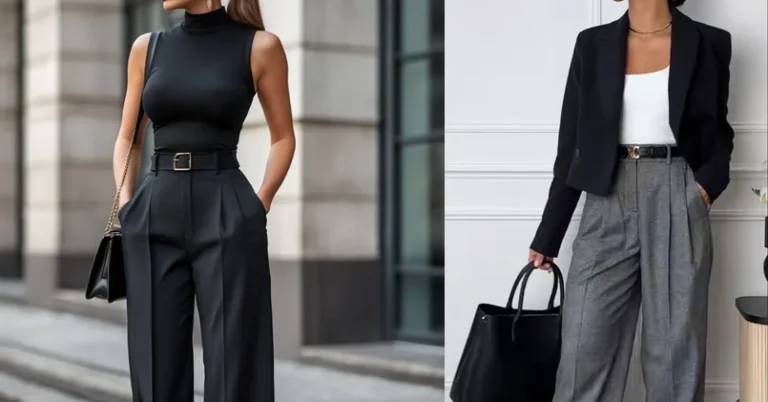
Futuristic fashion favors monochrome (all white, all black, all gray) because a single-color outfit creates a clean visual line that looks designed rather than assembled. The silhouettes are structural: sharp shoulders, defined waists, architectural necklines, and asymmetric hems. The body becomes a frame for the clothing, not the other way around.
All-White Structural Outfit
Image: Pinterest
A head-to-toe white outfit with structured pieces (blazer, tailored trousers, or a sculpted dress) and minimalist accessories. All-white looks futuristic because it references clean rooms, laboratories, and the sanitized environments of science fiction. The luxury version of this uses high-quality fabrics (crepe, bonded cotton, neoprene) that hold their shape and do not wrinkle. The budget version uses white denim and structured cotton. Both work if the silhouette is clean and the accessories are minimal. An all-white crepe set is my pick when you want the simplest outfit in the room to still draw attention: the commitment to one color at that level looks like a creative choice.
All-Black With Geometric Cut Details
Image: Pinterest
An all-black outfit with one piece that has a geometric detail: cutout, asymmetric hem, angular sleeve, or architectural collar. All-black is the futuristic foundation that carries the most versatility because it works for evening events, creative offices, and any setting where you want to look modern. The geometric detail is what separates futuristic black from regular black. A standard black dress looks classic. A black dress with an asymmetric hemline and angular neckline looks futuristic. The detail does the work.
Oversized Structural Coat as Statement
Image: Pinterest
An oversized coat with sharp shoulders and a sculptural shape worn over a minimal base. The architectural coat is the outerwear piece that converts any outfit into a futuristic statement. The silhouette does all the work: exaggerated shoulders, structured lapels, and a length that hits below the knee or at the ankle. The base underneath (tee and trousers, simple dress) stays as quiet as possible so the coat can be the entire outfit. Designers like Rick Owens and Mugler build entire collections around this principle but similar silhouettes exist at COS, Zara, and ASOS at accessible price points.
Tech Fabrics and Modern Materials
Futuristic fashion favors fabrics that look engineered: neoprene, bonded jersey, coated denim, PVC, and mesh. These materials hold shapes that natural fibers cannot, which is how futuristic garments achieve their sculptural silhouettes.
Neoprene Separates With Clean Lines
Image: Pinterest
Neoprene or scuba-fabric separates (top and skirt, or top and trousers) in a solid color with minimal accessories. Neoprene holds its shape without ironing, resists wrinkles, and creates smooth, clean lines that cotton and linen cannot achieve. The fabric itself signals modernity because it was originally engineered for wetsuits, not fashion. The smooth surface catches light differently than natural fabrics and creates a surface quality that looks polished and technical.
Mesh or Sheer Layer Over Structured Base
Image: Pinterest
A mesh or sheer layer (top, sleeve, or overlay) over a structured base outfit. The mesh layer adds visual complexity through transparency, which creates a depth that opaque fabrics cannot. The sheer element over a solid base creates a layered effect that references technology (multiple surfaces, visible structure) while remaining wearable. The key is keeping the base modest and structured so the mesh looks like an aesthetic choice rather than an accident.
One chrome piece, then stop
I start with five pieces: a metallic or chrome-finish top, a structured black blazer or coat, tailored trousers in black or white, angular or pointed shoes, and one oversized chrome jewelry piece. Holographic accessories and one mesh layer if the base stays modest. COS, Zara, and ASOS for structure. 80s power-suit blazers from thrift already have the shoulders.
Costume versus chrome
How to dress futuristic without looking like a costume?
Use one futuristic element (metallic top, chrome jewelry, angular shoe) against a clean, minimal base. All-black or all-white foundations with one statement piece look modern rather than theatrical.
What colors are futuristic?
Silver, white, black, and gray are the core palette. Chrome, holographic, and iridescent accents add the reflective quality. Avoid warm earth tones and pastels which reference nature and nostalgia.